
INDIA'S
RENEWABLE
ENERGY
SUMMIT 2026
ENERGY
SUMMIT 2026
India's Renewable Rise: From Self-Reliance to Global Leadership
Bringing together policymakers, global delegations, investors, and
industry leaders to shape the next decade of clean energy at scale, and
on India’s terms.
- IHC, New Delhi
- 31st October 2026
Why IRES 2026
A national platform for
the architects of the
clean energy
transition.
India’s Renewable Energy Summit 2026 (IRES) is a premier national platform convening the architects of the global clean energy transition. As India advances toward
its 500 GW renewable capacity target and assumes a
leading voice in international climate diplomacy, IRES
2026 brings policymakers, ministers, global delegations,
investors, and technology innovators together under one
roof to align on policy, capital, and innovation at the scale
this decade demands.
Positioning India as the architect of the global clean energy transition, driving policy consensus, technology innovation, and investment mobilisation at scale.
Who You'll Meet at IRES 2026
Policymakers & Ministers
Central & State Governments
Industry Leaders & CEOs
Renewables, Infrastructure, Manufacturing
International Delegations
IRENA, COP, Bilateral Partners
Investors & Financiers
Green Bonds, Private Equity, DFIs
Researchers & Academia
IITs, TERI, NITI Aayog
Media & Thought Leaders
National & International Press
India on the World Stage
Setting the direction, not just participating in it
From founding the International Solar Alliance to chairing global energy consensus at the G20, India isn’t just participating in the clean energy transition it’s setting its direction.
International Solar Alliance
Co-founded by India and France 124 member nations mobilising $1 trillion in solar finance worldwide.
OSOWOG — One Sun One World One Grid
A transcontinental renewable power-sharing vision spanning 140+ nations.
G20 Energy Chair
India led global consensus on tripling renewable capacity, a landmark outcome at COP28.
NDC 2070
Net zero carbon by 2070
45%
Emission intensity reduction by 2030 vs. 2005
60%
Non-fossil fuel-based capacity by 2035
1 Billion
Trees afforestation pledge
$1 Trillion
Climate finance demanded for developing nations
Why This Summit Matters
The India Story
Five forces defining India’s Pace in the global Energy transition, self-reliance, scale, South-South leadership, innovation, and justice.
Self-Reliance First
India has built energy independence through indigenously developed solar, wind, and hydro capacity reducing import dependency and strengthening national security.
500 GW by 2030
The world's most ambitious renewable energy target. Already past 200 GW, India is on track to set a global precedent for rapid clean energy scaling.
South-South Leadership
India exports clean energy expertise, technology, and capital to 60+ developing nations through ISA, OSOWOG, and bilateral green energy corridors.
Innovation Ecosystem
From green hydrogen to grid-scale storage, India is building next-generation clean technology creating 10 million green jobs by 2030.
Climate Justice Champion
India advocates for equitable climate finance, ensuring developing nations aren't penalised for historical emissions they didn't cause.
By The Numbers
India's Energy Landscape, Today
200+ GW
Renewable capacity installed (2024)
#4
Global clean energy investor ranking
₹2.8L Cr
Green energy budget, 2024– 25
52%
Non-fossil share of power mix
10M+
Green jobs targeted by 2030
Installed Capacity Mix
Share of total renewable capacity by source, 2024.
No Data Found
Where the Capital Is Flowing
$500B
Investment required by 2030
$11.5B
Green bonds issued in 2023
60%+
Renewable share of new capacity additions
$8B
Sovereign Green Bonds
issued,
2023–24
Sovereign Green Bonds
₹16,000 Cr issued; AAA rated.
Multilateral DFIs
World Bank, ADB, NDB
$12B pipeline.
Green Infrastructure Fund
NIIF flagship, ₹1 Lakh Cr target.
Investors & Financiers
Shared-savings, zero-CAPEX solar deployment.
Policy
The Roadmap to 500 GW
Six national programmes, working in
parallel, to take India from 200+ GW
today to 500 GW by 2030.
National Solar Mission
Phase III targets: 280 GW utility solar, 40 GW rooftop by 2030.
PM-KUSUM Scheme
3.5 million solar pumps; rural energy independence for farmers.
Green Hydrogen Mission
5 MMT annual production by 2030, ₹19,744 Cr incentive outlay.
PLI for Solar Modules
₹24,000 Cr scheme targeting 65 GW domestic manufacturing.
OSOWOG Initiative
140+ nations, trans-border solar transmission.
National Wind-Solar Hybrid
Round-the-clock renewable supply, reduced curtailment, grid stability.
What's Next
Innovation Driving the Transition
Solar Tech
TOPCon & Perovskite
26%+ efficiency cells; IIT Bombay-led R&D.Offshore Wind
30 GW Target by 2030
Gujarat & Tamil Nadu coastlines, NIWE surveys complete.Green Hydrogen
$2/kg Electrolysis Target
Pilots underway with NTPC, Reliance, Adani.Grid Storage
27 GWh BESS Pipeline
Long-duration battery tenders in Rajasthan & MP.Rooftop Solar
PM Surya Ghar
1 crore homes targeted; ₹300/month average household savings.Pumped Hydro
63 GW Potential Mapped
Across Uttarakhand & Himachal Pradesh corridors.What's Next
What to Expect at IRES 2026
- Keynotes from Industry Leaders & Expert Speakers
- High-Level Panel Discussions & Knowledge Sharing
- Curated Business Networking Sessions
- Technology Exhibition & Product Showcases
- Investor & Partnership Opportunities
- Interactive Demonstrations & Exhibitor Engagement
A Room Full of Decision-Makers
Who Will Attend
- Renewable Energy Developers & EPC Companies
- Corporate Sustainability & ESG Professionals
- Government & Regulatory Representatives
- Investors, Financial Institutions & Venture Capitalists
- Technology Providers & Solution Innovators
- Manufacturers, Distributors & Service Providers
- Startups, Clean-Tech Entrepreneurs, Academia & Researchers
- Commercial & Industrial Energy Consumers
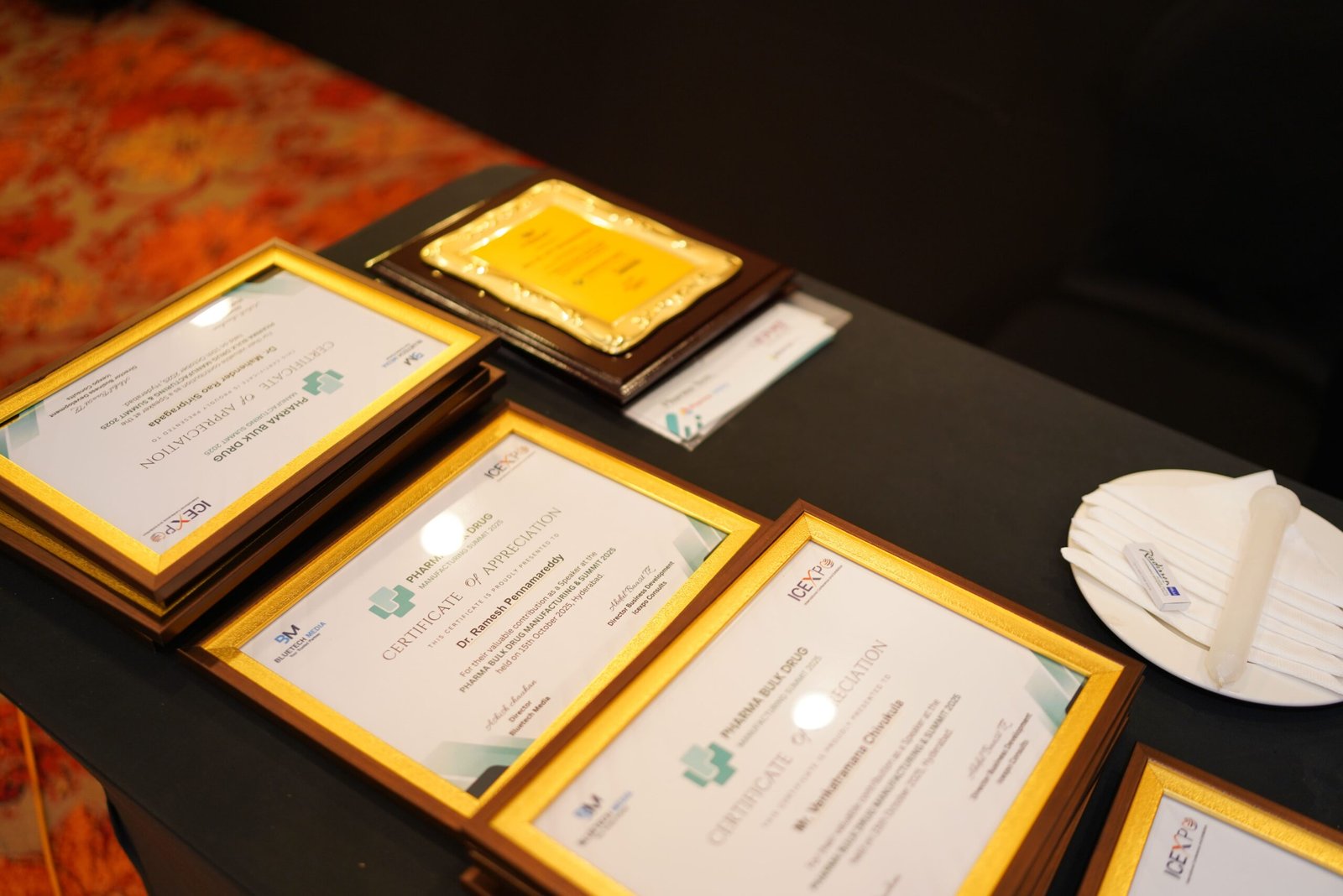
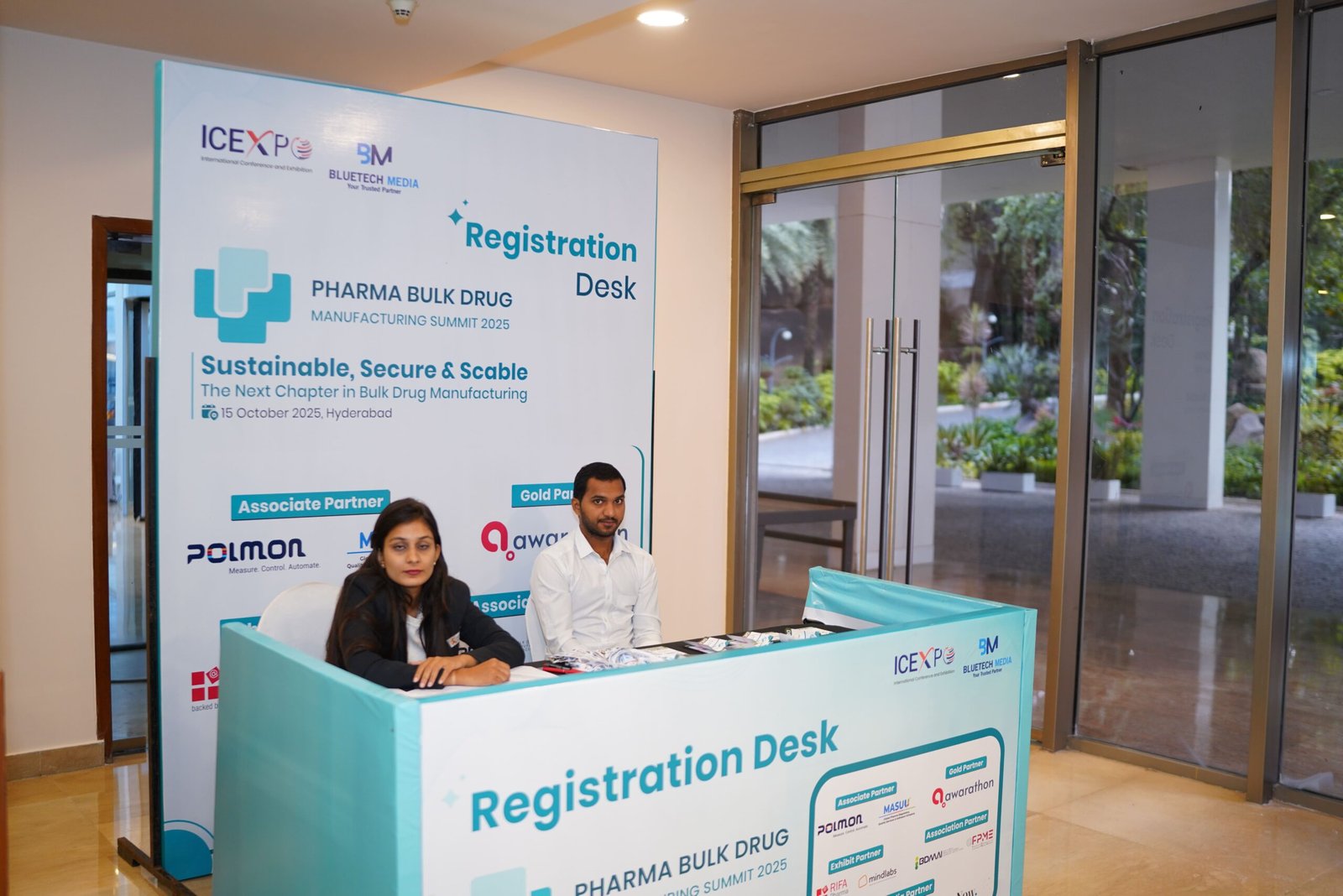
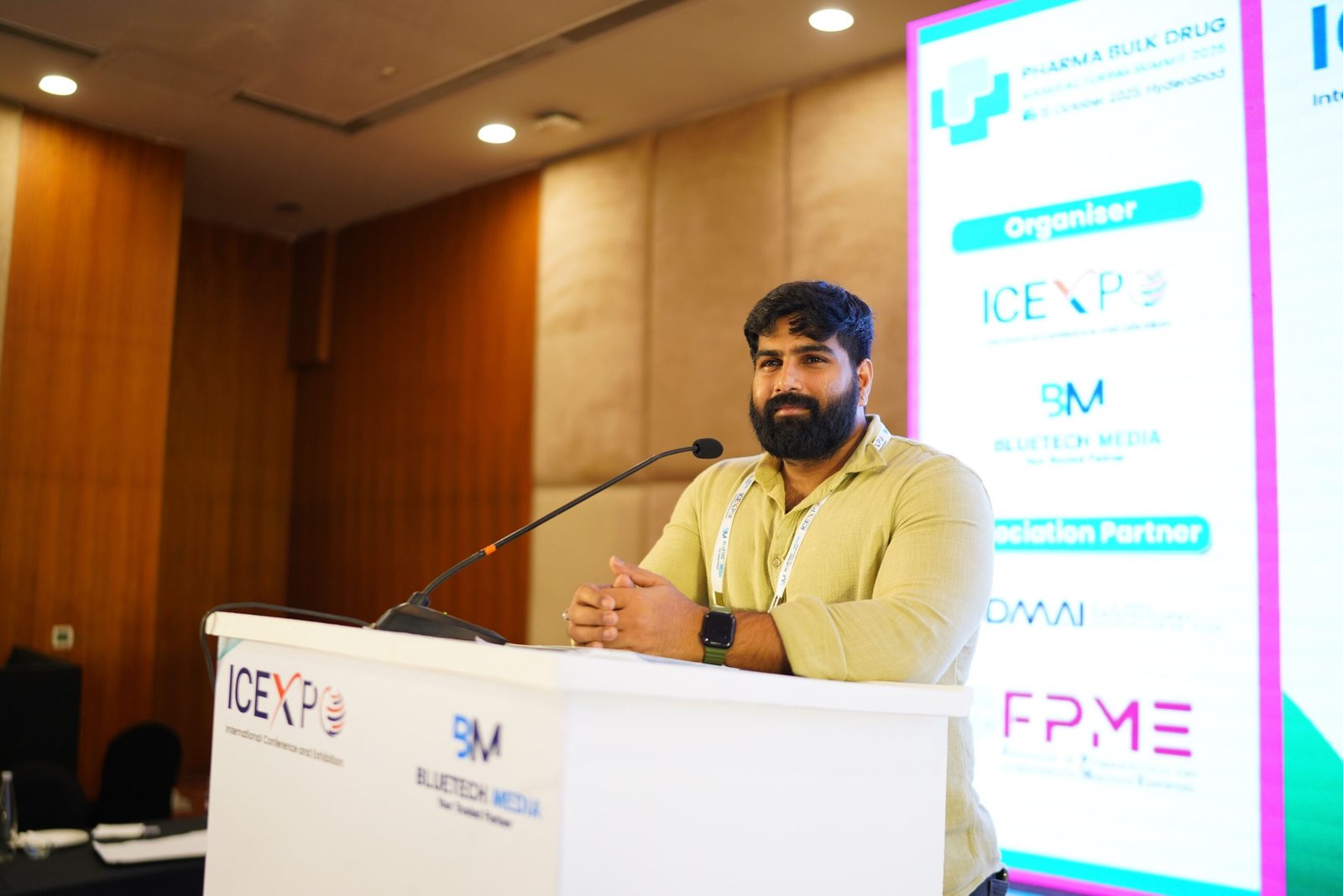
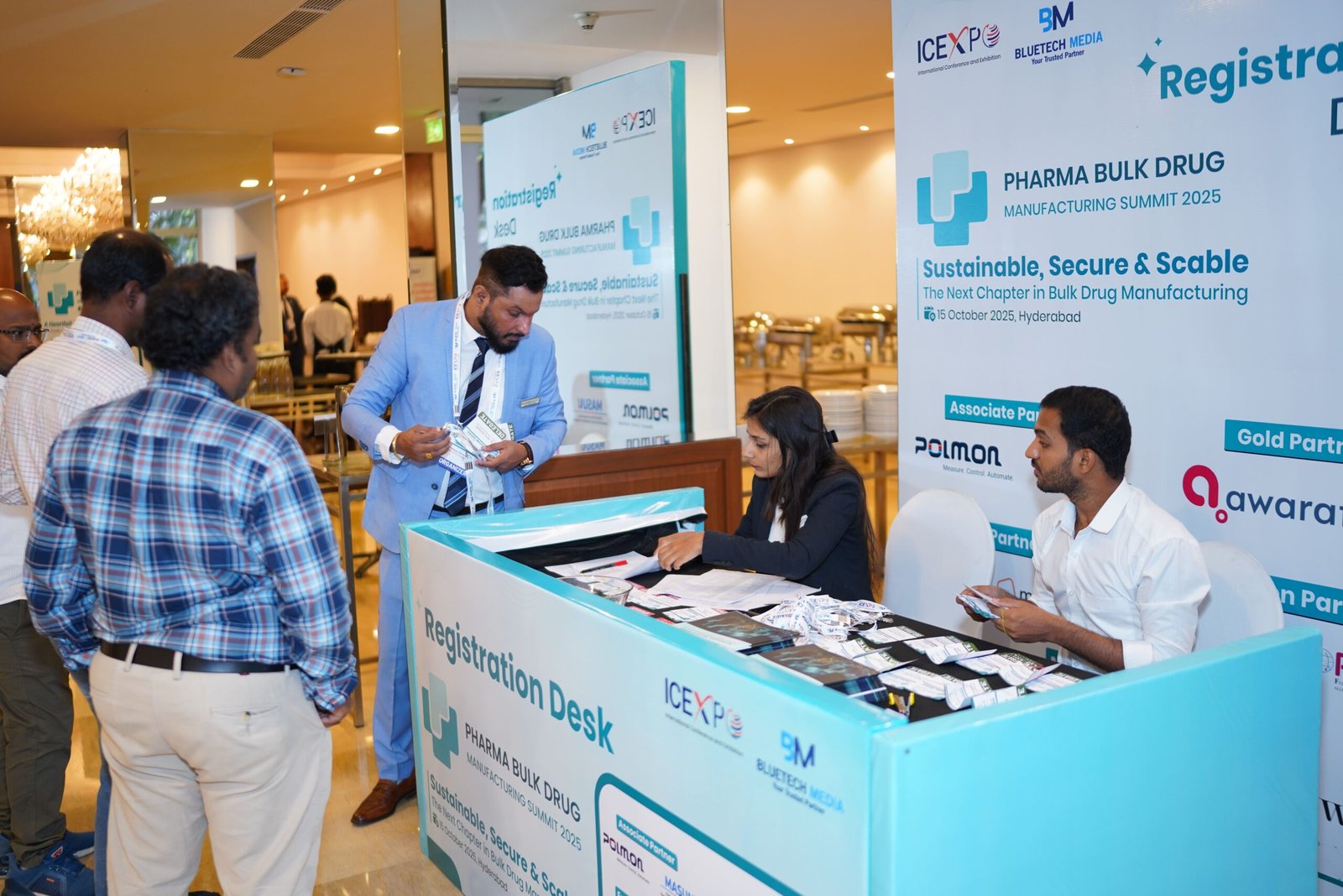
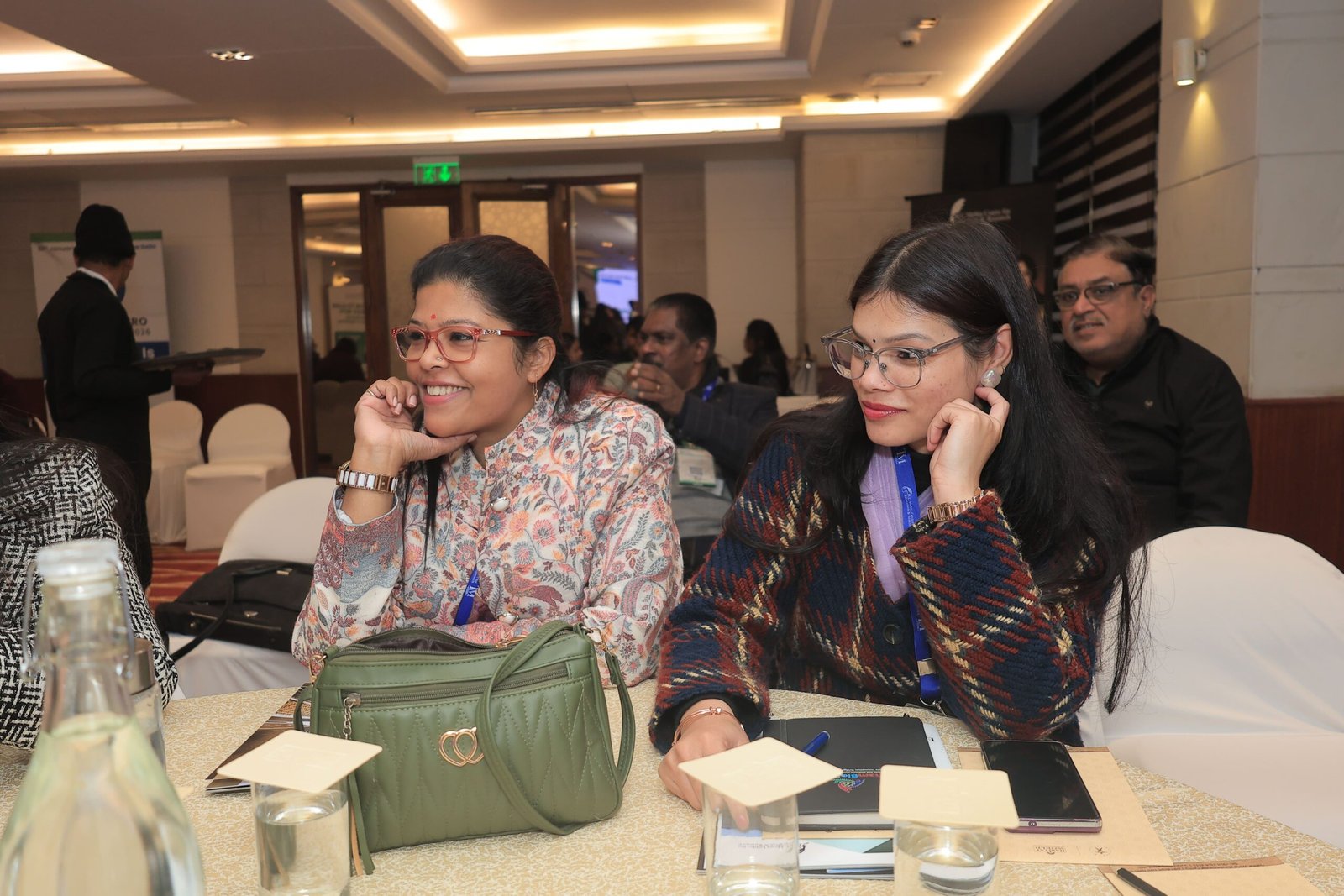
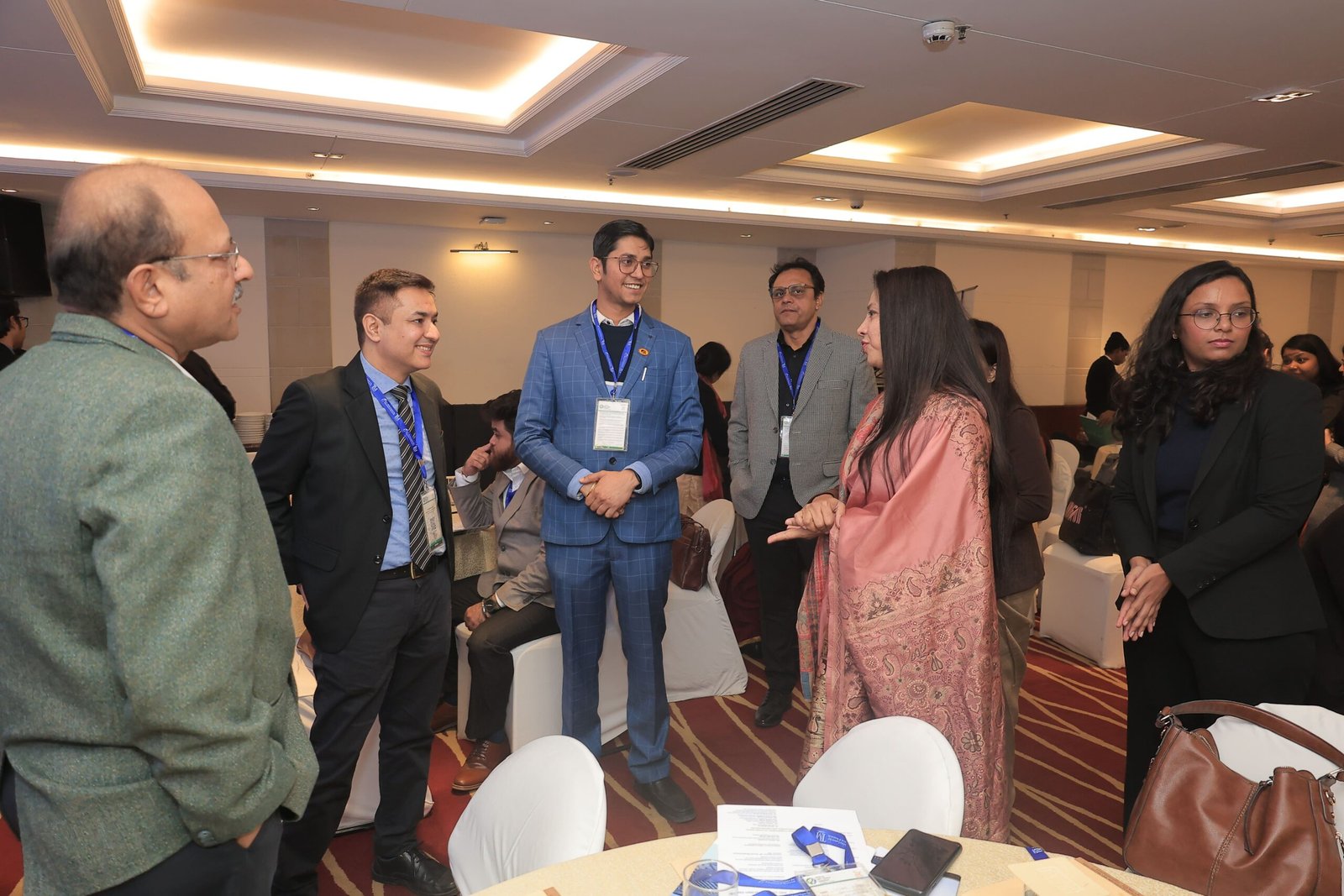
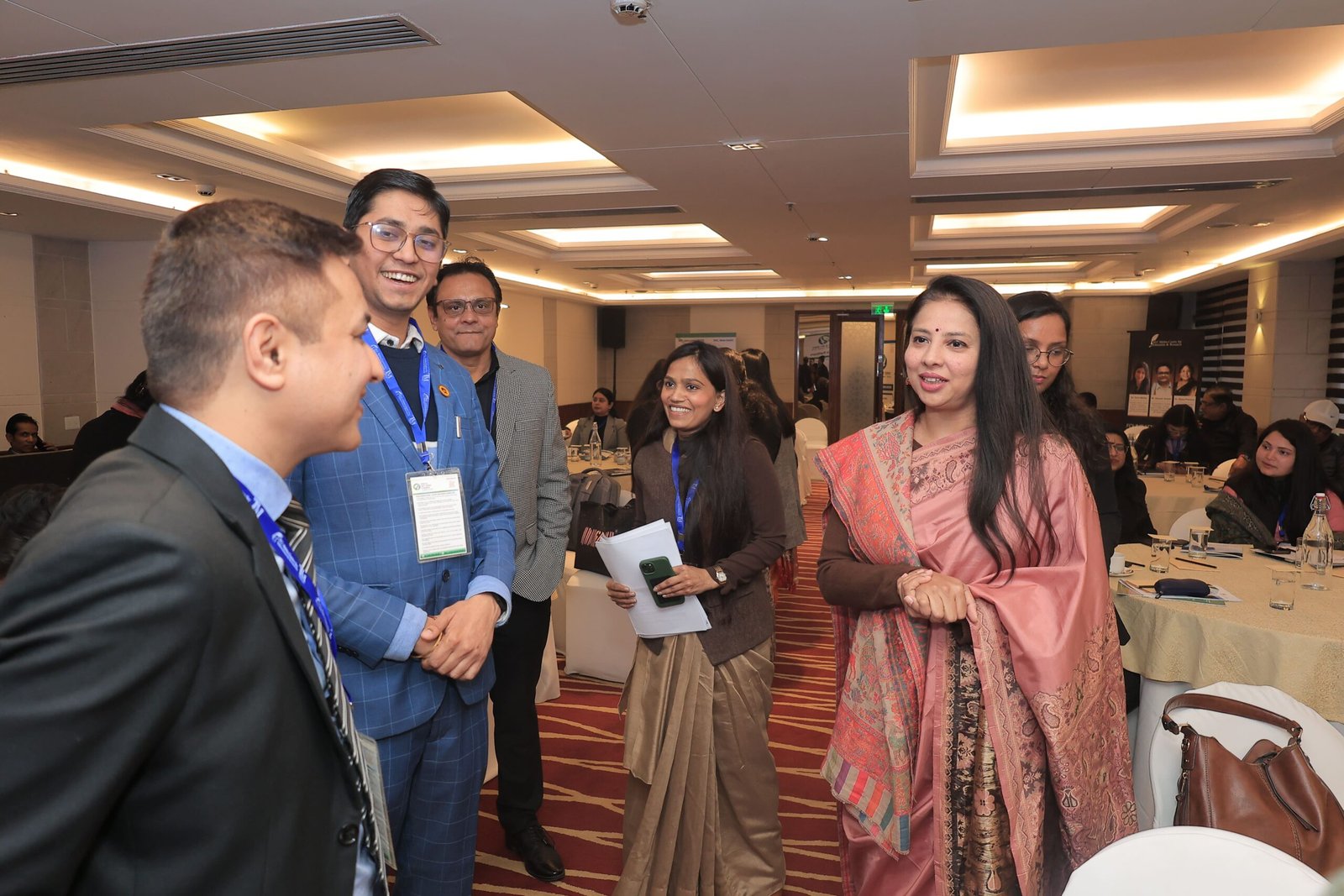
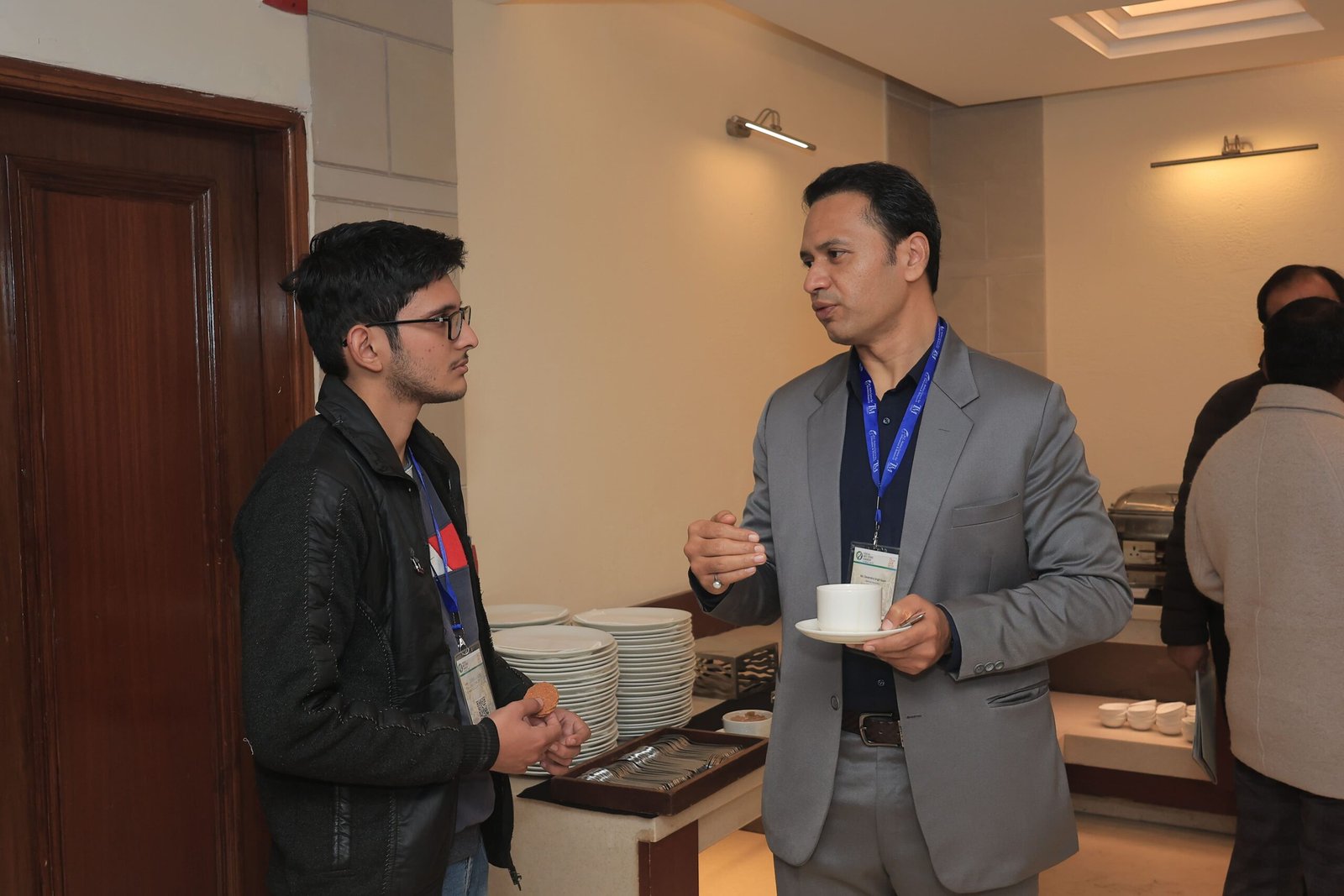
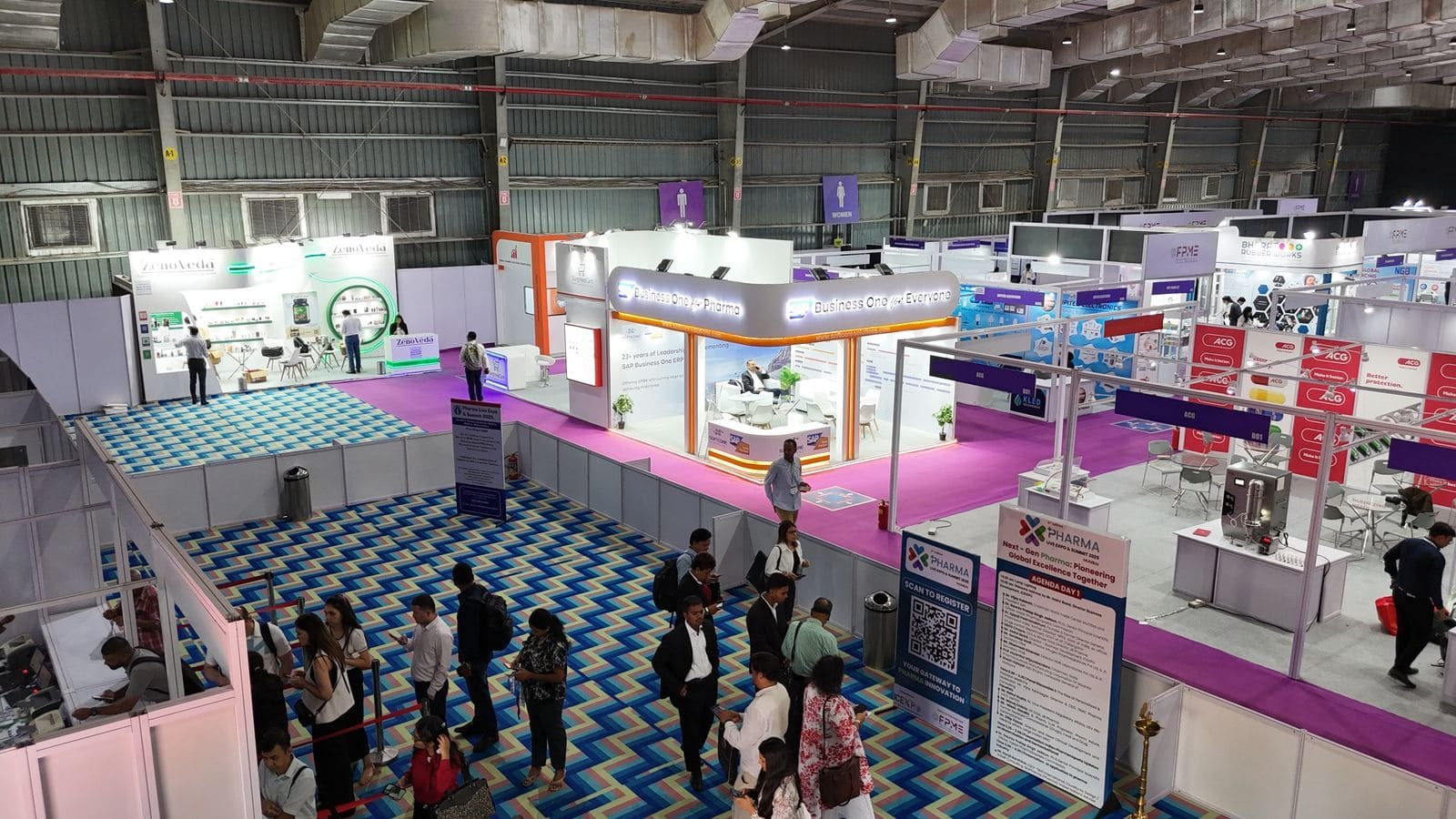
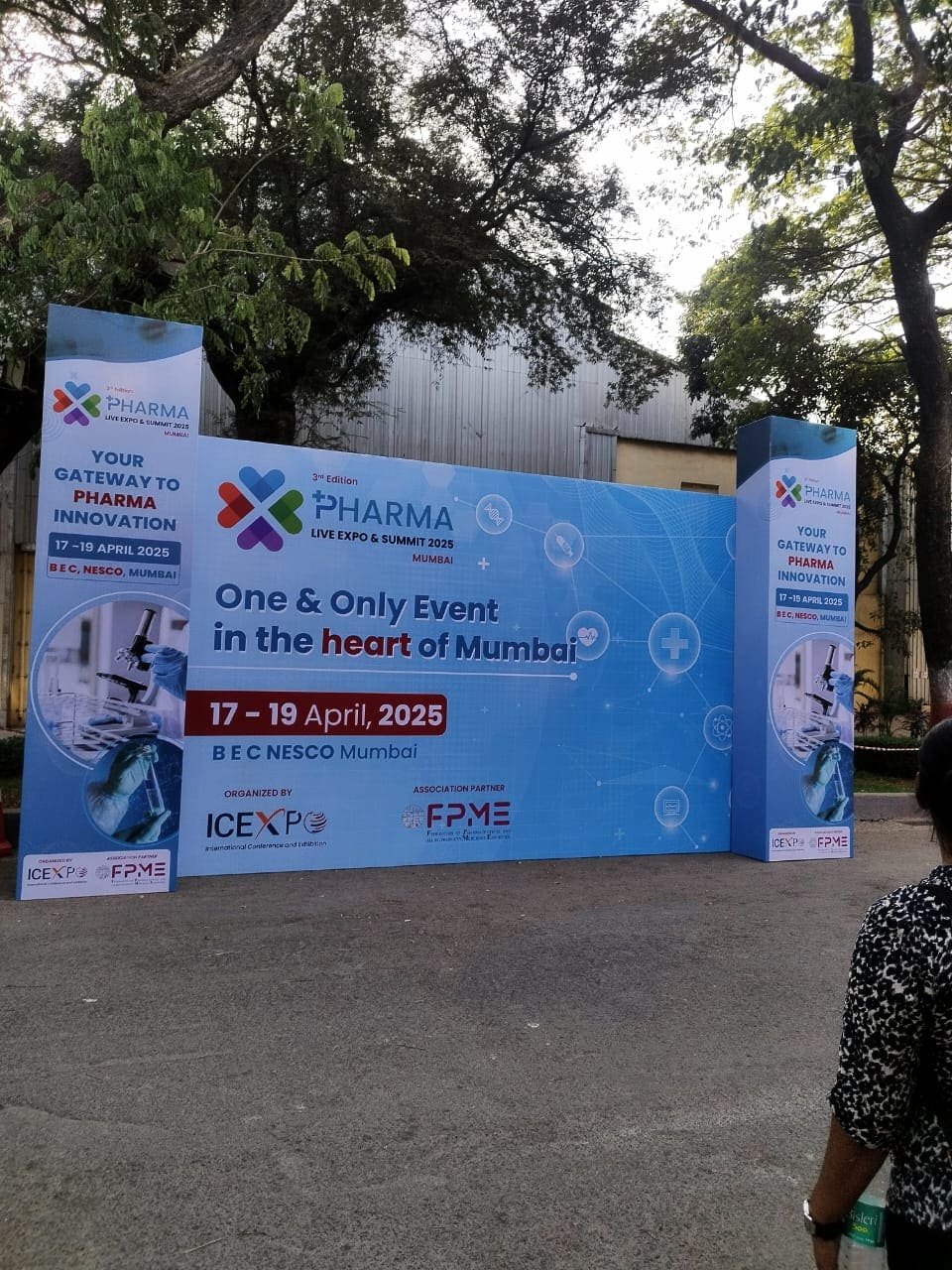
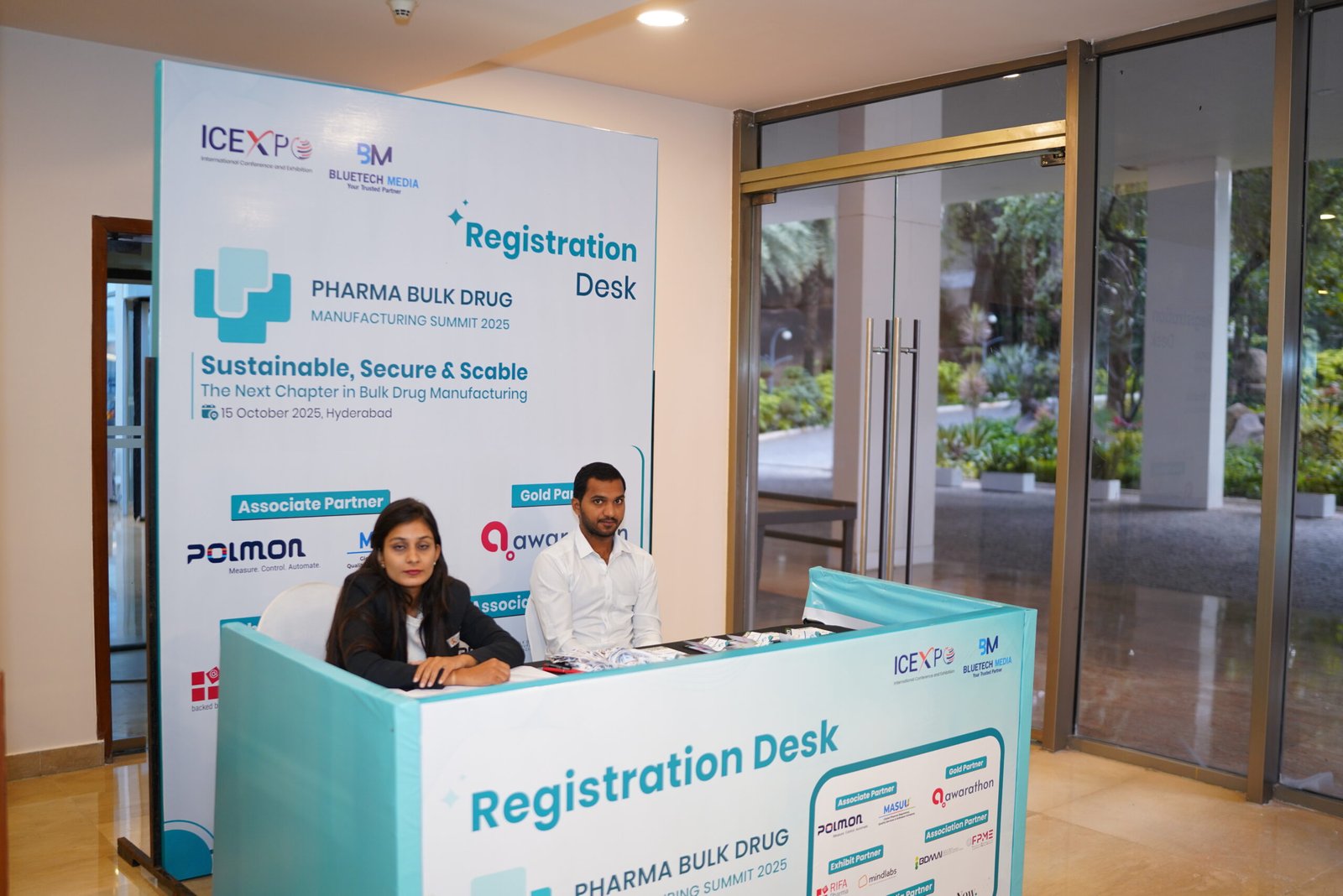
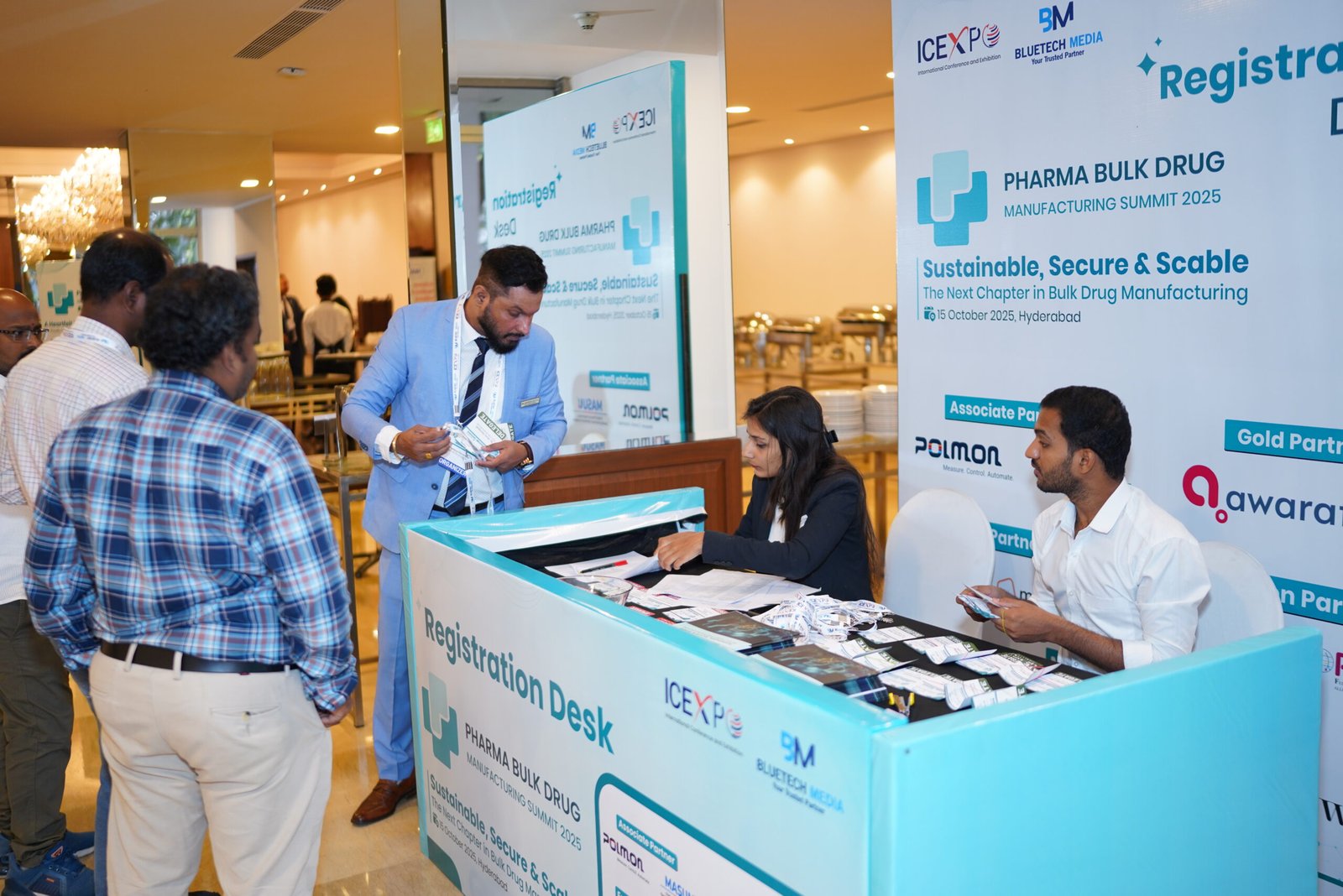
Gallery
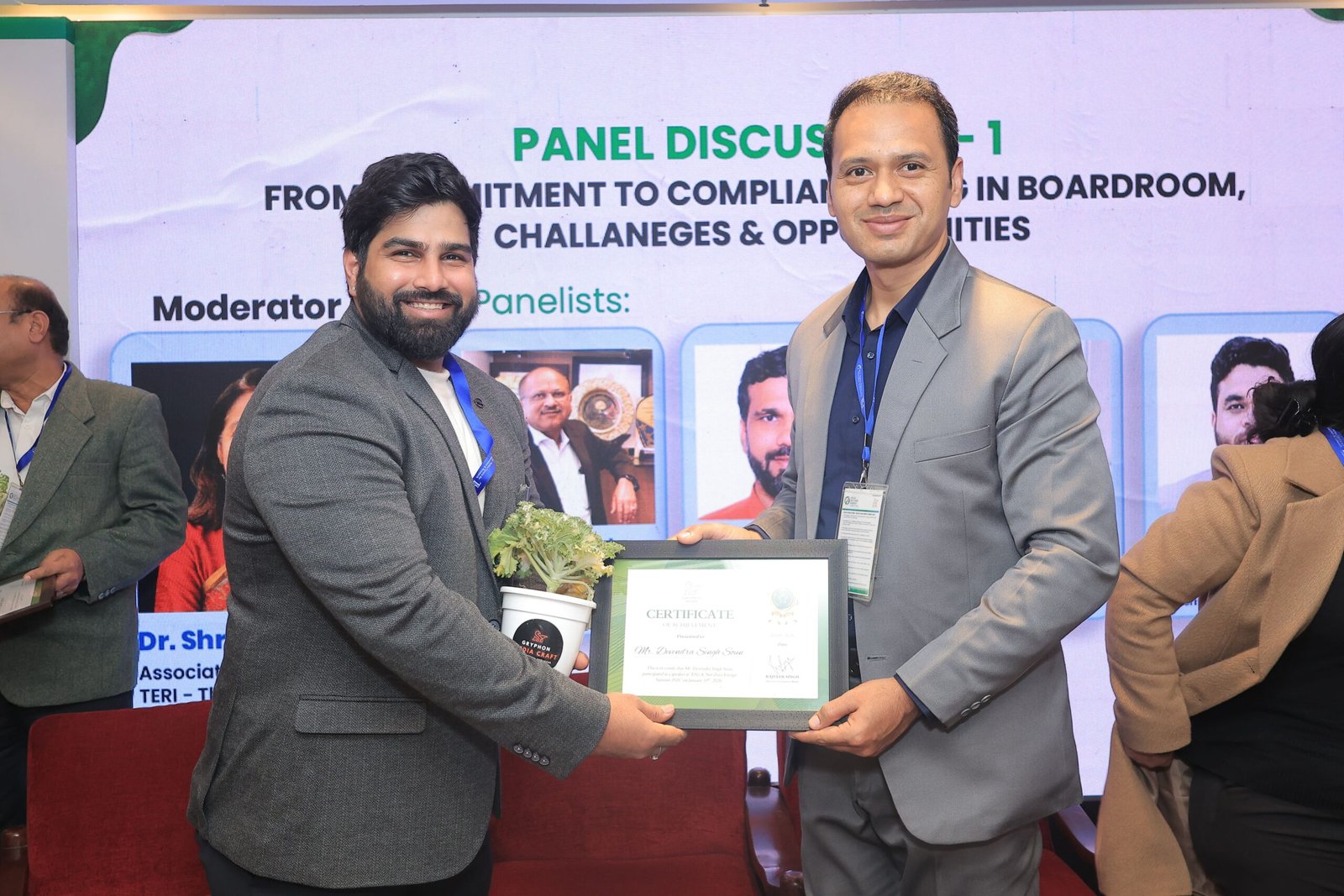
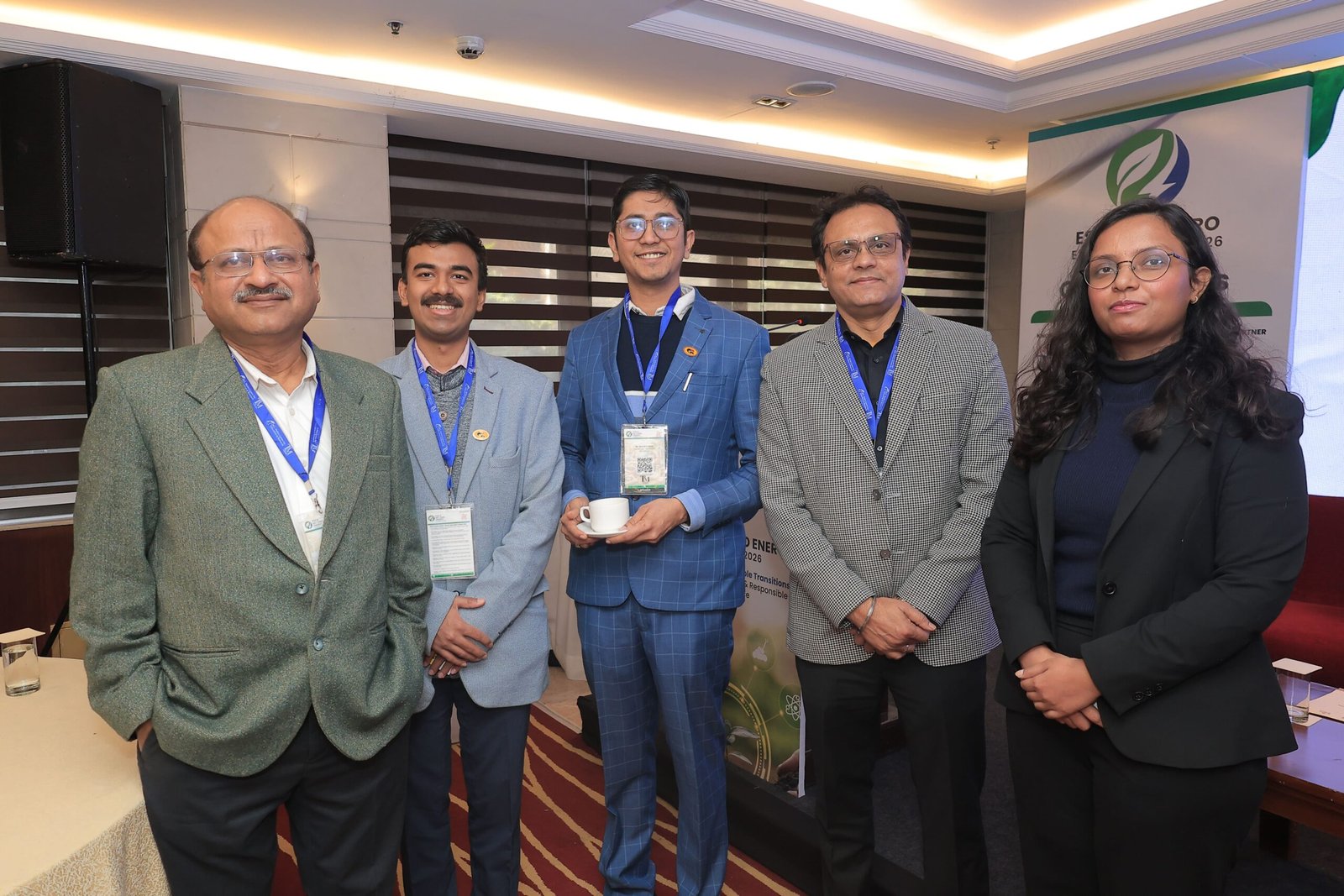
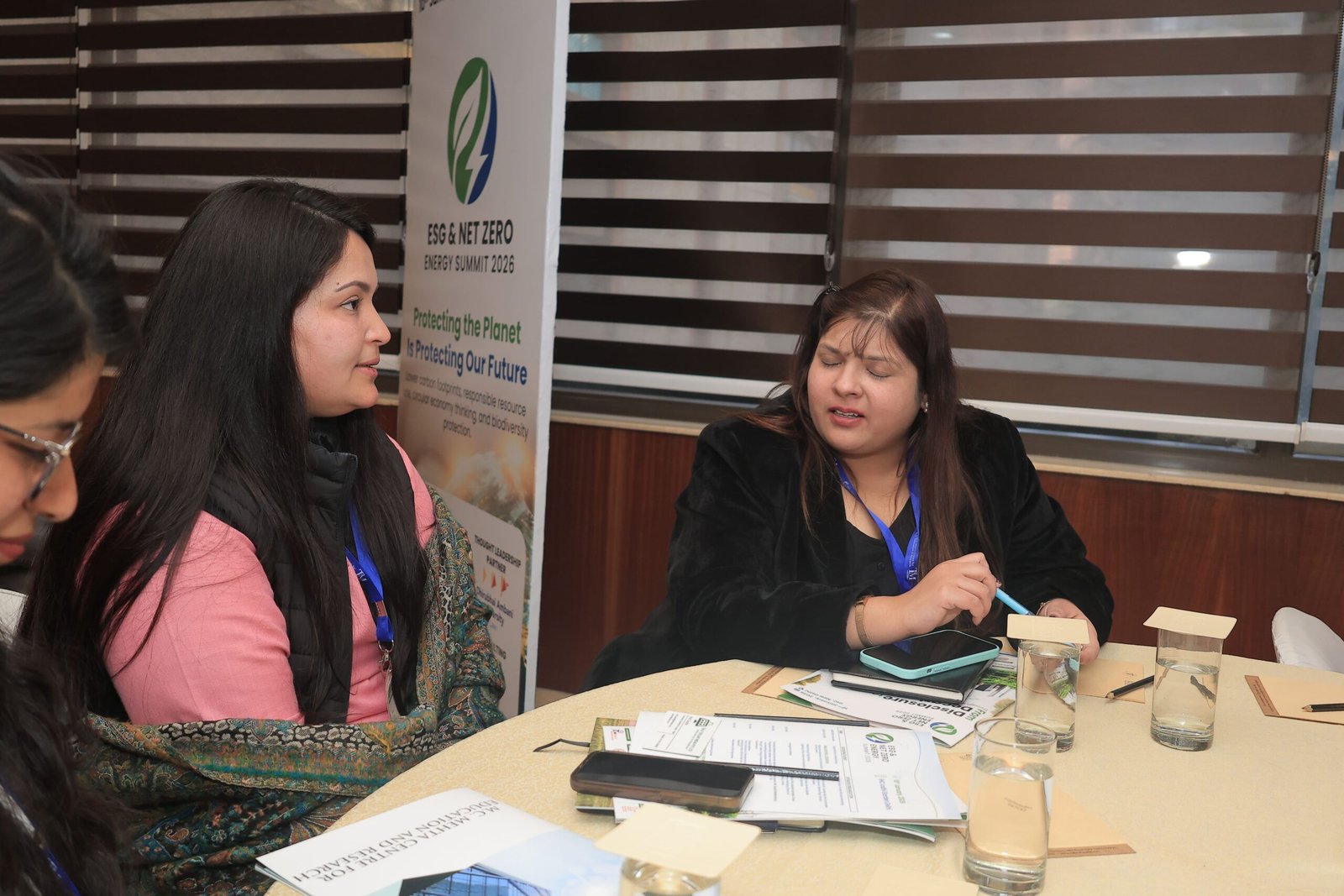
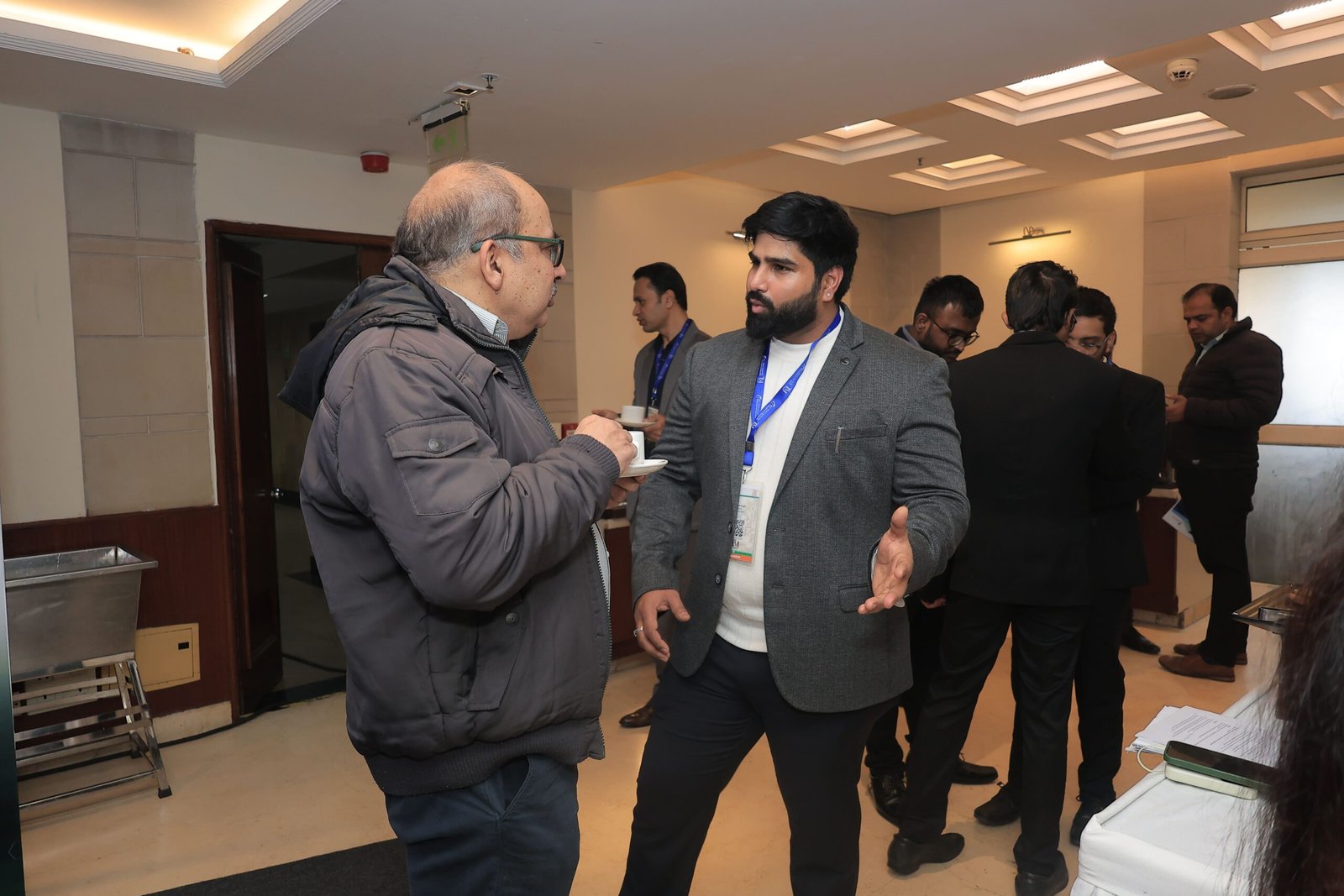
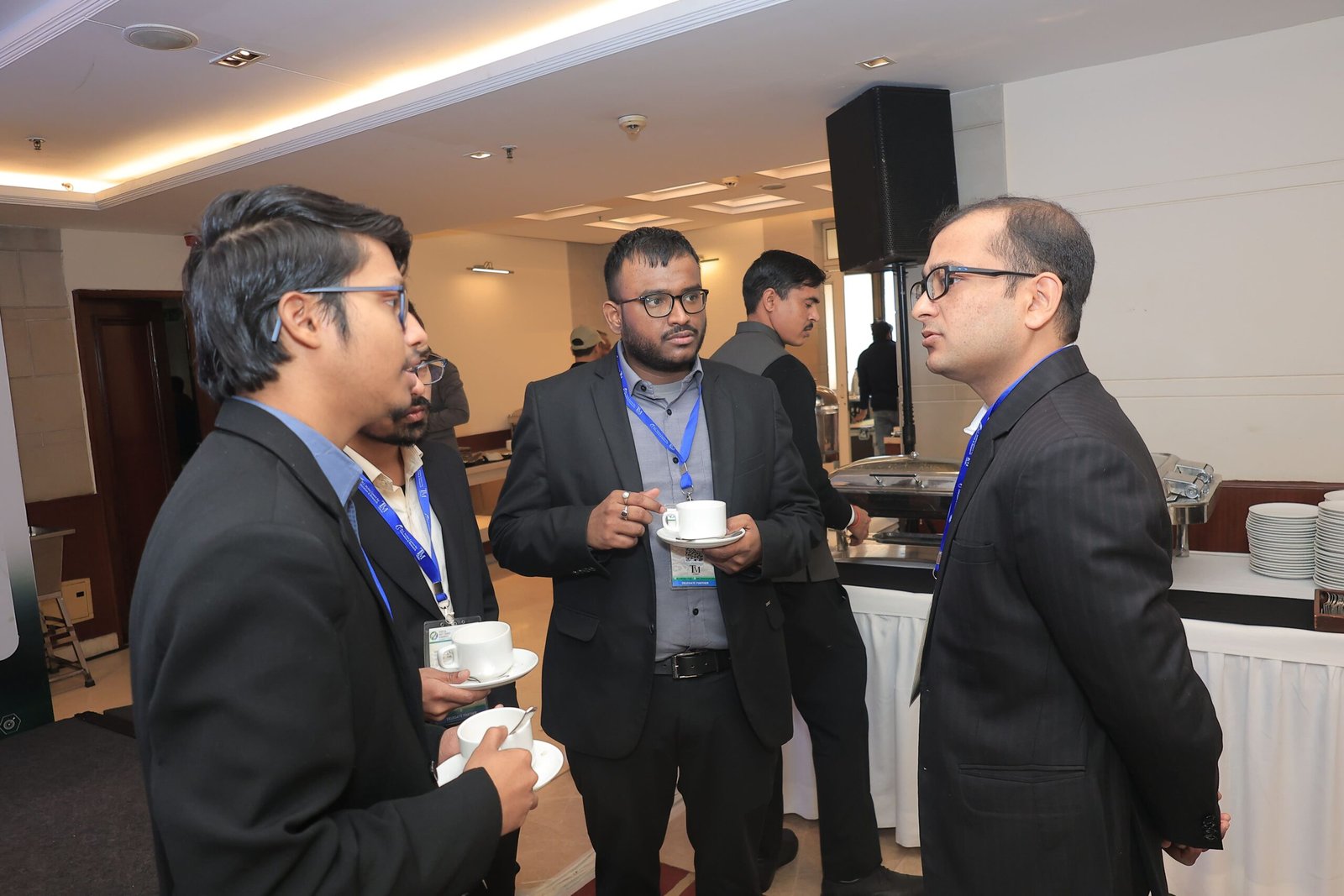
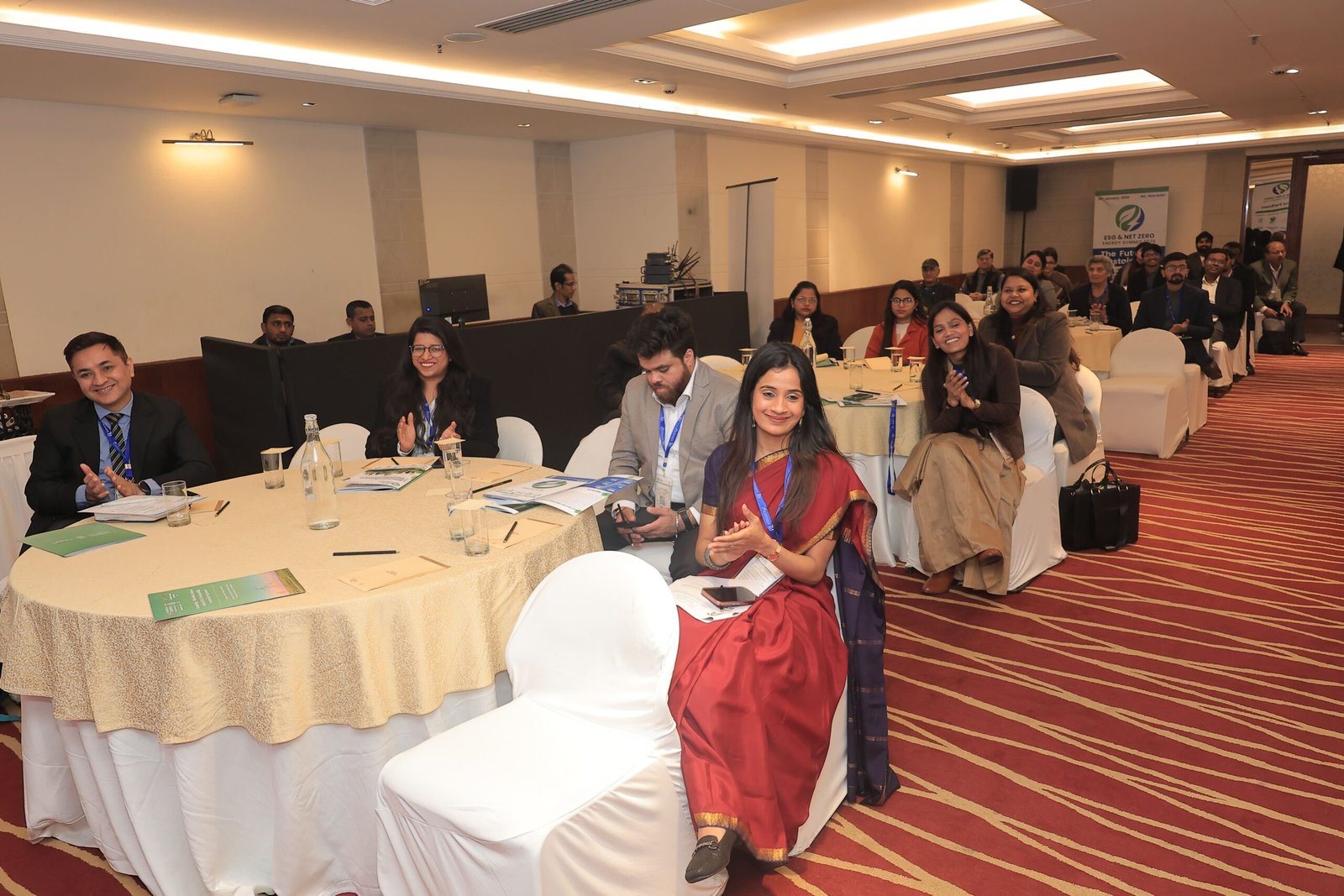
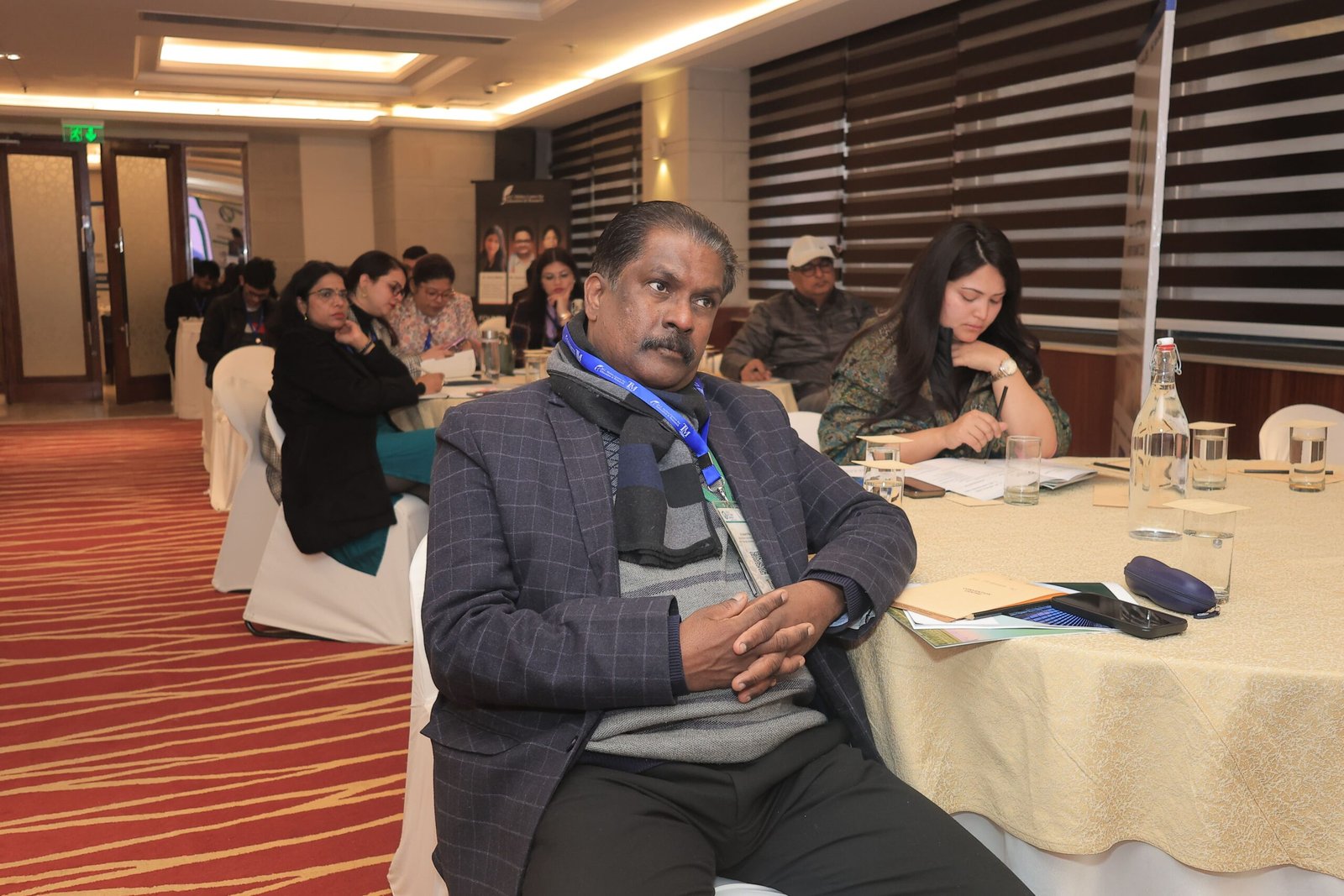
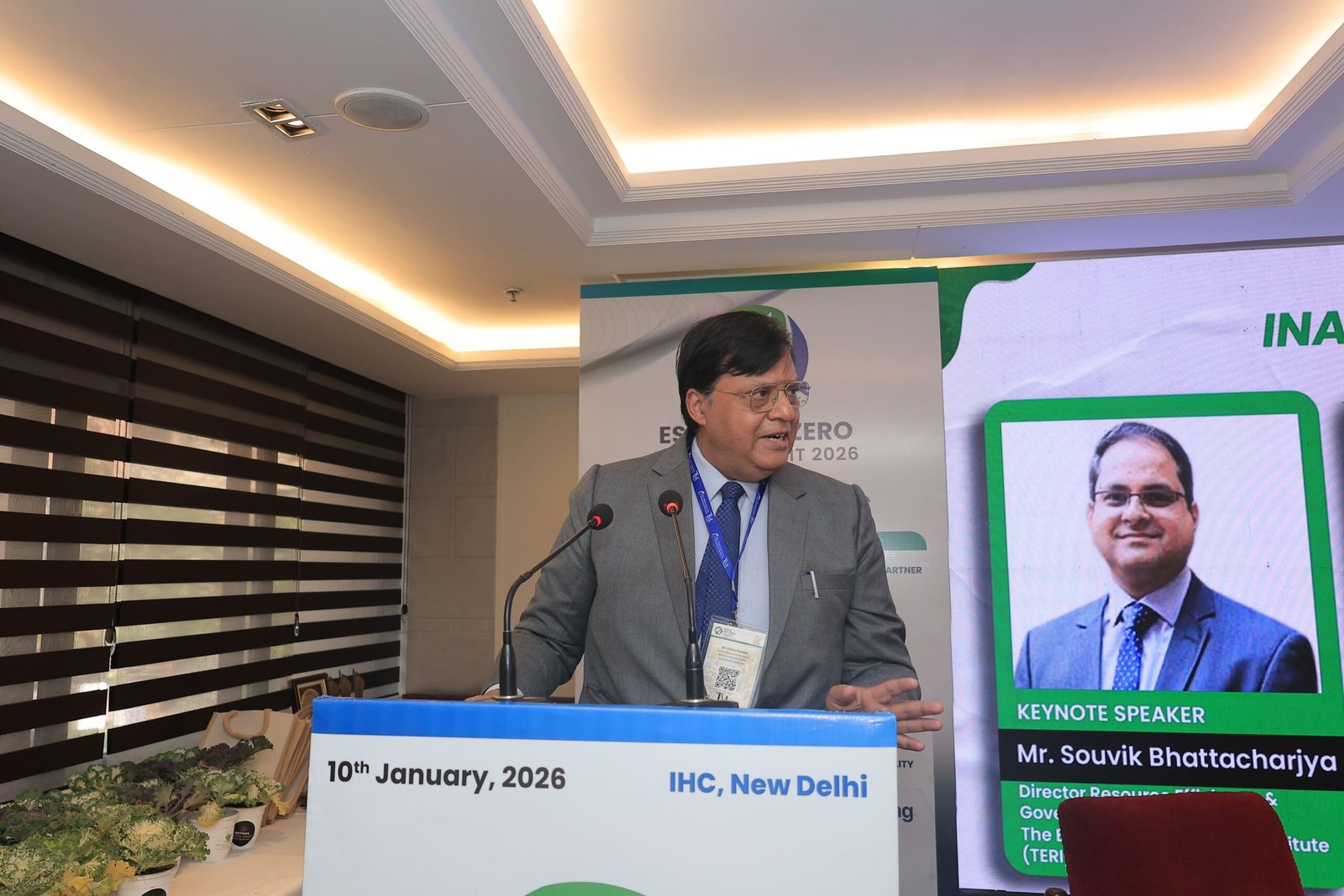
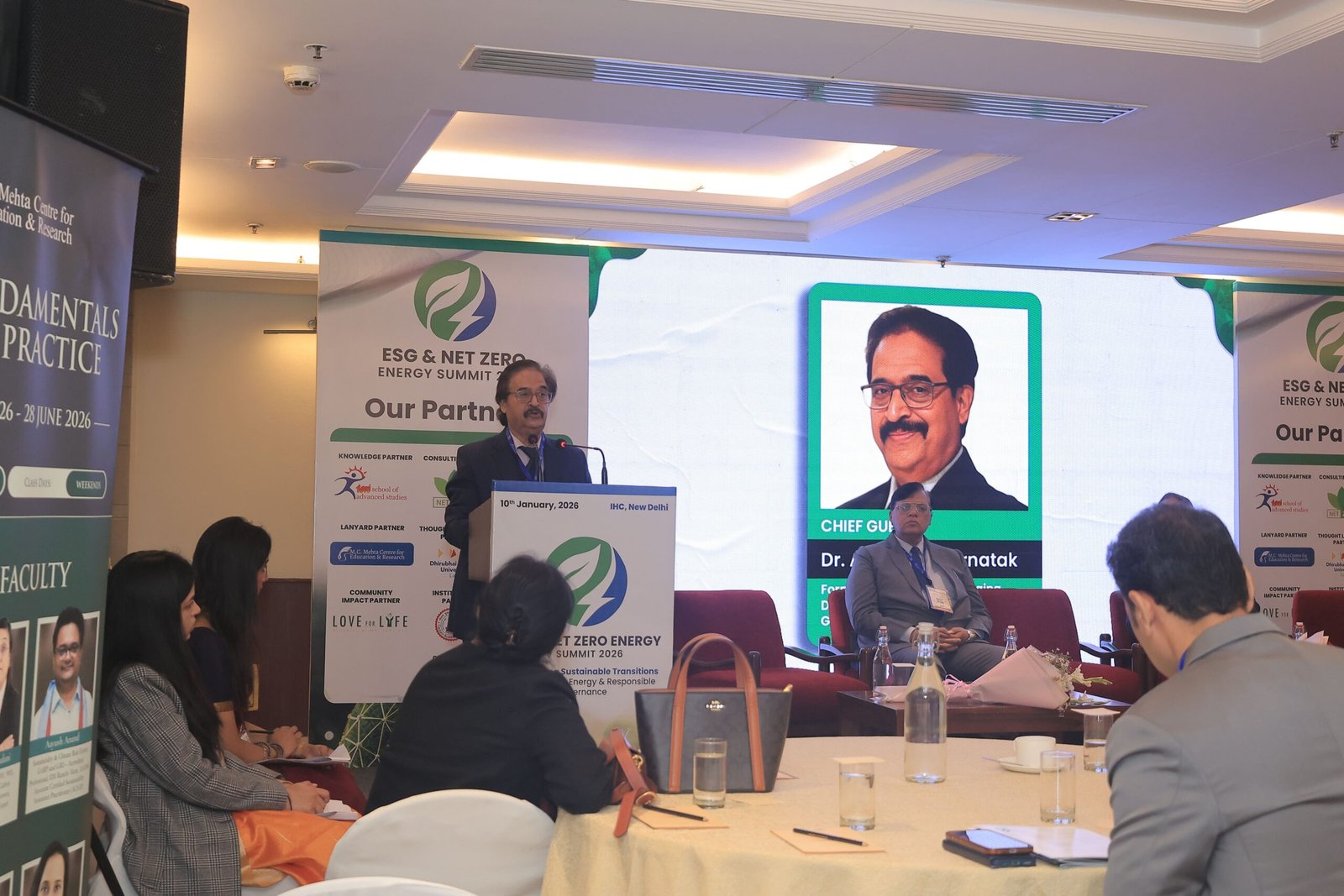
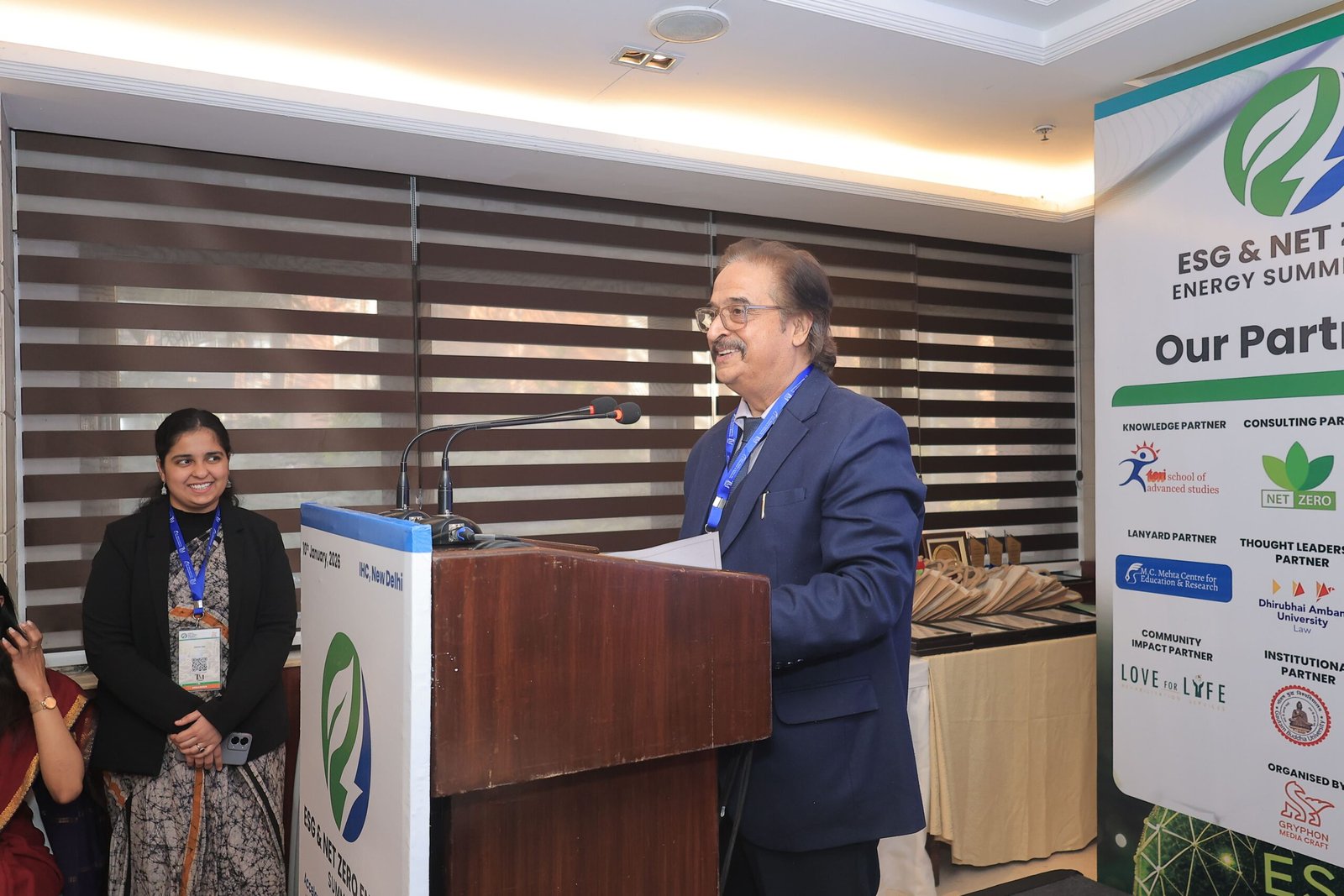
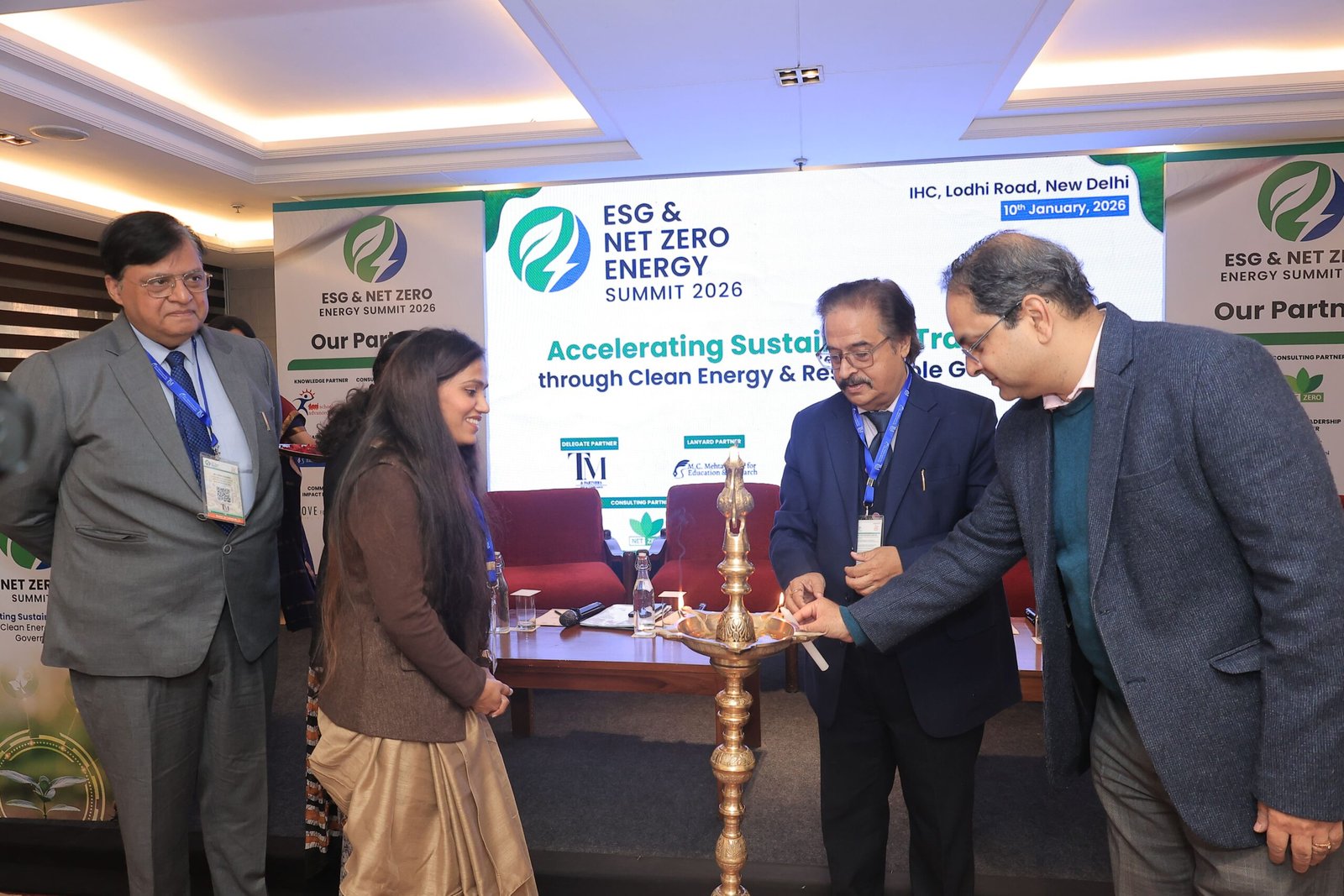
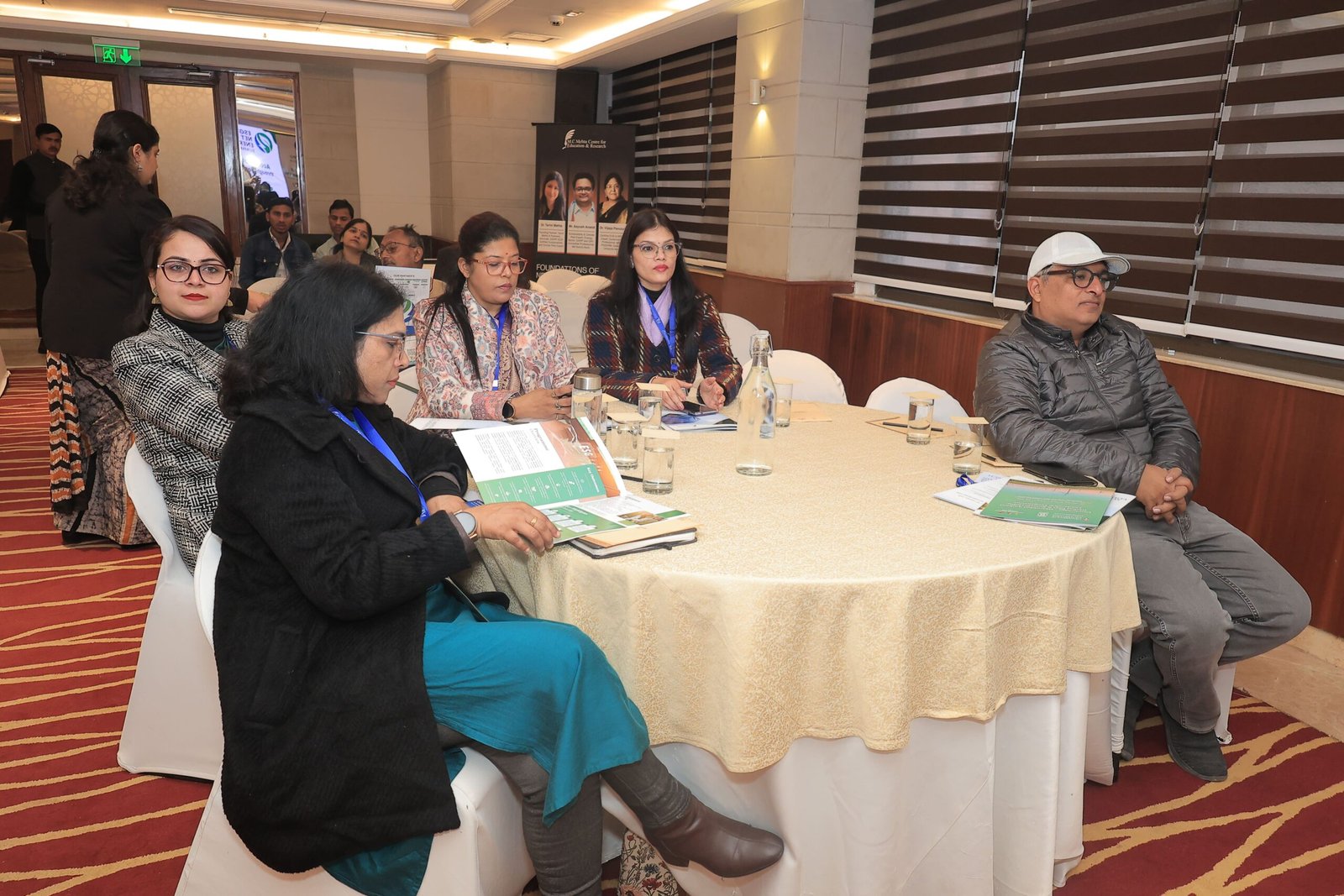
Glimpses of the Past Events


Join Us
Be Part of India's Renewable Rise
Join ministers, global delegations, investors, and innovators shaping
the next decade of clean energy at India’s Renewable Energy Summit 2026.